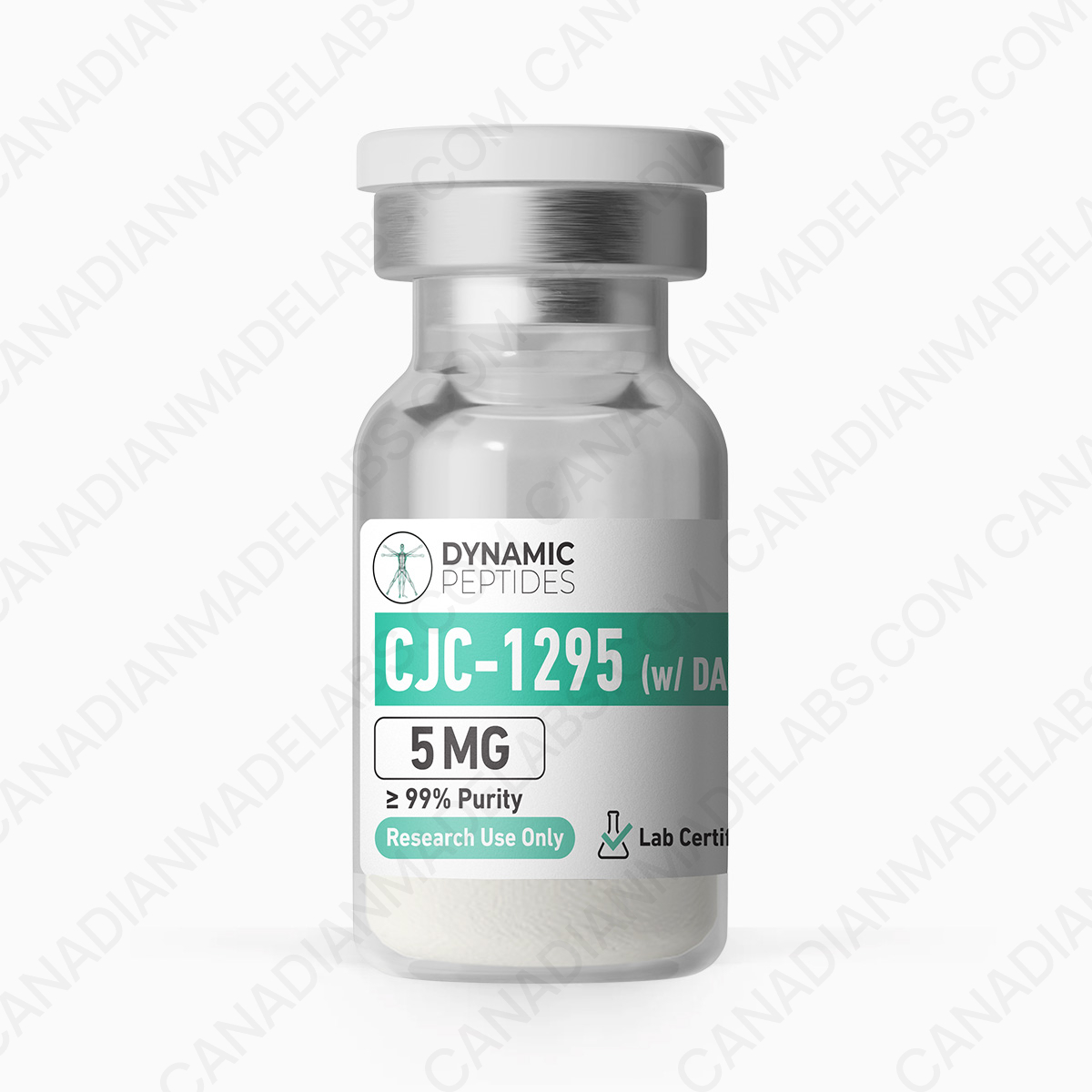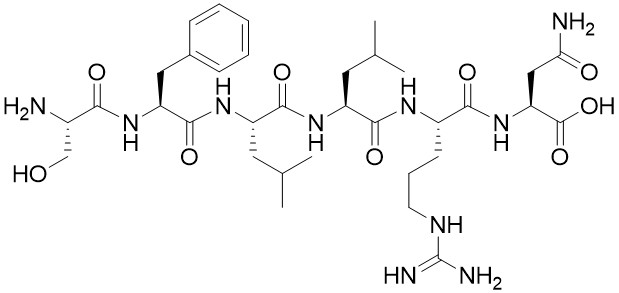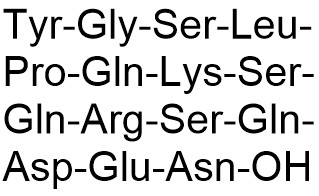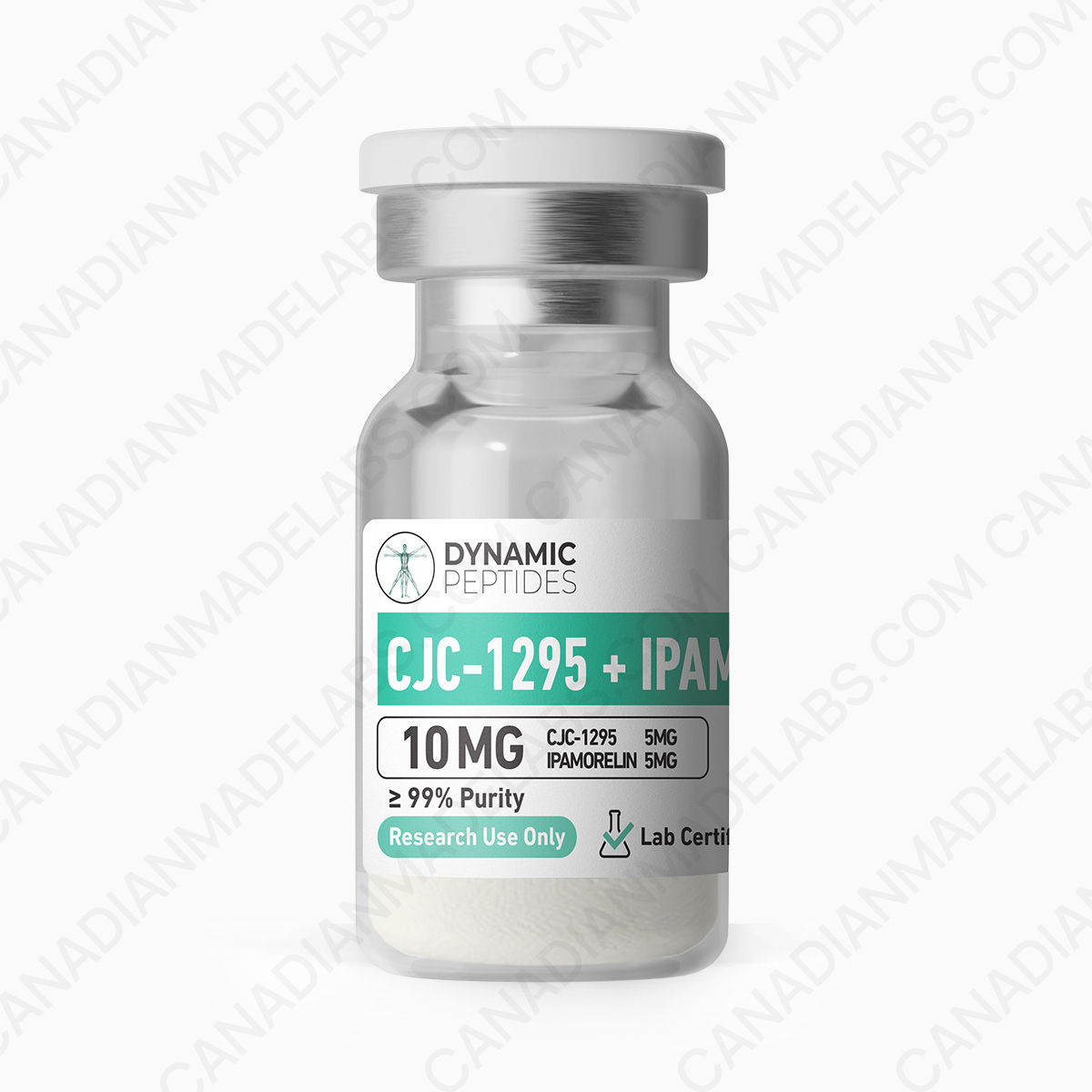

CJC-1295 Ipamorelin (No DAC) (5mg/5mg) is a dual synthetic peptide blend combining a growth hormone–releasing hormone (GHRH) analog with a ghrelin receptor agonist, widely studied for synergistic modulation of pulsatile GH secretion and endocrine signaling pathways. Developed through advances in peptide engineering of GHRH fragments and ghrelin mimetics, it remains central to metabolic and pituitary research models. Researchers can buy CJC-1295 Ipamorelin No DAC with confidence, with ≥99.9% verified purity via HPLC and mass spectrometry with Certificates of Analysis from third-party testing. Sold for research use only. CJC-1295 Ipamorelin (No DAC) (5mg/5mg) Overview CJC-1295 Ipamorelin (No DAC) (5mg/5mg) is a dual synthetic peptide system combining a GHRH analog with a selective ghrelin receptor agonist. Researchers looking to buy CJC-1295 Ipamorelin No DAC often use it to investigate coordinated regulation of pulsatile growth hormone release and upstream endocrine signaling. The blend’s short-acting, non-DAC profile supports controlled studies of receptor activation timing and feedback dynamics. Spark Peptide supplies CJC-1295 Ipamorelin (No DAC) blend with consistent purity through advanced SPPS production, HPLC purification, and third-party analytical testing via mass spectrometry to confirm peptide identity, supported by batch-specific Certificates of Analysis (COA) that verify purity, composition, and overall analytical integrity for reproducible research applications. CJC-1295 Ipamorelin (No DAC) Blend: Molecular Origin CJC-1295 Ipamorelin (No DAC) combines two synthetic peptides derived from distinct endocrine research pathways. CJC-1295 originates from growth hormone–releasing hormone (GHRH), a hypothalamic peptide first isolated and characterized in 1982 by Andrew V. Schally and colleagues during investigations into pituitary hormone regulation [1]. Ipamorelin, by contrast, emerged in the 1990s from growth hormone secretagogue research led by Cyril Y. Bowers, which explored synthetic compounds capable of stimulating GH release via non-GHRH pathways, ultimately leading to the identification of the ghrelin receptor system [2]. At the molecular level, CJC-1295 (No DAC) is a modified GHRH(1–29) fragment designed to retain receptor-binding activity while improving stability, whereas Ipamorelin is a selective pentapeptide agonist of the GHS-R1a receptor with high specificity. Both are produced using solid-phase peptide synthesis (SPPS), a controlled stepwise method that enables precise amino acid assembly and structural fidelity. Together, their defined sequences and receptor selectivity make the combination a useful model for studying coordinated endocrine signaling, receptor interaction, and pulsatile hormone regulation. Purity & Quality Standards CJC-1295 Ipamorelin (No DAC) supplied by Spark Peptide is produced to purity levels exceeding 99.9%, verified via high-performance liquid chromatography (HPLC) to ensure analytical consistency across batches. This level of precision is achieved through advanced peptide synthesis methods, including solid and liquid phase peptide synthesis, and strict manufacturing standards that follow cGMP-certified processes aligned with ISO 9001:2015 quality management systems, supporting reproducibility in research settings. Each batch of the 5mg/5mg blend undergoes Spark Peptide’s 6X Safety Testing protocol, including HPLC purity verification, mass spectrometry identity confirmation, heavy metal screening, endotoxin testing, bacterial contamination analysis, and solubility and stability assessment. Certificates of Analysis (COA) are provided with every batch for full traceability. Additionally, our products are shipped in protective packaging designed to minimize temperature fluctuations, with the lyophilized form maintaining stability under typical transit conditions. Detailed testing documentation is available on the Tests & Safety page. CJC-1295 Ipamorelin (No DAC) Mechanism of Action CJC-1295 Ipamorelin (No DAC) is studied as a dual-pathway secretagogue system that modulates growth hormone signaling through two distinct receptor populations within the hypothalamic-pituitary axis. Rather than acting through a single binding target, the blend combines GHRH receptor stimulation with ghrelin receptor agonism, making it useful for examining coordinated control of somatotroph activity, pulsatile hormone release, and early intracellular signaling events. This complementary receptor pharmacology has made the CJC-1295 Ipamorelin (No DAC) combination a common research model for studying temporal endocrine regulation and pathway-level interactions in growth hormone secretory mechanisms. Receptor Binding & Primary Signaling CJC-1295 (No DAC) and Ipamorelin act on distinct but complementary receptor systems involved in growth hormone regulation. CJC-1295 is a synthetic analog of growth hormone-releasing hormone (GHRH) that binds to the GHRH receptor (GHRH-R), a class B G protein-coupled receptor expressed on anterior pituitary somatotrophs [3]. Its activity is largely attributable to the preserved N-terminal 1-29 region, which contains the principal receptor-activating domain derived from endogenous GHRH. Upon binding, GHRH-R undergoes a conformational change and couples primarily to Gs proteins, stimulating adenylate cyclase and increasing intracellular cyclic AMP levels, with subsequent activation of protein kinase A-dependent signaling. On the other hand, Ipamorelin selectively targets the growth hormone secretagogue receptor type 1a (GHS-R1a), a class A G protein-coupled receptor expressed in pituitary and hypothalamic tissues [4]. It was developed as a highly selective pentapeptide agonist within the growth hormone secretagogue class and is generally characterized by strong receptor specificity relative to earlier secretagogues. Binding to GHS-R1a promotes receptor activation through Gq/11-associated mechanisms, leading to phospholipase C activation, inositol trisphosphate generation, and intracellular calcium mobilization. These early signaling events provide the mechanistic basis for pairing both peptides in studies of coordinated receptor activation and acute endocrine response dynamics. Downstream Biological Cascades Once both receptors are activated, CJC-1295 (No DAC) and Ipamorelin initiate convergent downstream signaling that regulates growth hormone synthesis, storage, and release. GHRH-R activation through the cAMP/PKA axis promotes transcriptional activity associated with somatotroph function and supports the synthesis of growth hormone-related secretory machinery. In parallel, GHS-R1a-mediated calcium mobilization enhances the exocytotic release of stored hormone, particularly in experimental models evaluating rapid secretory responses. This division of signaling roles, transcriptional support through GHRH pathways and calcium-dependent release through ghrelin receptor pathways, helps explain the mechanistic complementarity of the blend. In preclinical and receptor-pathway studies, concurrent stimulation of both systems has been associated with greater pulsatile growth hormone output than isolated activation of either pathway alone. These effects are also linked to broader endocrine network responses, including downstream modulation of hepatic IGF-1 signaling and pathway activity involving PI3K/Akt and MAPK/ERK in peripheral tissues. Within laboratory models, the CJC-1295 (No DAC) and Ipamorelin blend is therefore used not simply to observe hormone release, but to examine feedback regulation, signal integration, and temporal coordination across the wider growth hormone axis. Key Scientific Features & Chemical Profile of CJC-1295 (No DAC) and Ipamorelin 5mg/5mg Blend The following molecular data provides key chemical identifiers and physical characteristics for CJC-1295 (No DAC) and Ipamorelin, supporting accurate compound verification, handling, and reproducibility in laboratory research settings. Molecular Data Property Value Molecular Formula CJC-1295 (No DAC): C165H269N47O46 Ipamorelin: C38H49N9O5 Molecular Weight CJC-1295 (No DAC): ~3,357 Da; Ipamorelin: ~711 Da (minor variations may occur due to synthesis and salt form) Amino Acid Sequence: CJC-1295 Tyr-Ala-Asp-Ala-Ile-Phe-Thr-Asn-Ser-Tyr-Arg-Lys-Val-Leu-Gly-Gln-Leu-Ser-Ala-Arg-Lys-Leu-Leu-Gln-Asp-Ile-Met-Ser-Arg-NH₂ Amino Acid Sequence: Ipamorelin Aib-His-D-2-Nal-D-Phe-Lys-NH₂ CAS Number CJC-1295 (No DAC): 446262-90-4 Ipamorelin: 170851-70-4 PubChem CID CJC-1295 (No DAC): 91971820 Ipamorelin: 9831659 Synonyms CJC-1295 (No DAC): 62RC32V9N7; Mod GRF (1-29) Ipamorelin: NNC-26-0161 Physical Form Lyophilized white powder Solubility Soluble in water and bacteriostatic water Storage -4°F (-20°C), desiccated, protected from light Analytical Verification Each batch of CJC-1295 Ipamorelin (No DAC) is supported by a verified Certificate of Analysis (COA), providing documented results for identity, purity, and batch-specific analytical testing. High-performance liquid chromatography (HPLC) is used to assess purity by separating and quantifying individual peptide components, confirming ≥99.9% purity across production lots. Molecular identity is further validated using mass spectrometry (MS), where the observed molecular mass is matched against the theoretical mass of each peptide to ensure structural accuracy. In addition to core analytical methods, Spark Peptide applies a multi-layered verification process to support consistency and reproducibility in research applications, including: Heavy metals screening Endotoxin testing Bacterial contamination analysis Solubility verification Stability assessment Together, these analytical controls provide a comprehensive dataset that allows researchers to work with well-characterized, reproducible peptide materials under defined laboratory conditions. Storage, Handling, and Reconstitution Proper storage, handling, and reconstitution of CJC-1295 Ipamorelin (No DAC) are essential for maintaining peptide stability, structural integrity, and reproducibility in laboratory research. As a lyophilized peptide blend, the blend’s stability is highly dependent on controlled environmental conditions and careful preparation techniques. The following guidelines outline standard laboratory practices for preserving peptide quality and ensuring consistent experimental outcomes. Recommended Storage Conditions Lyophilized CJC-1295 Ipamorelin (No DAC) should be stored at -4°F (-20°C) in a sealed vial, protected from light and moisture to maintain stability. Desiccated storage is recommended to prevent degradation. In its lyophilized form, the peptide blend typically maintains stability for extended periods under proper conditions. After reconstitution, solutions should be stored at 36–46°F (2–8°C) and used within a defined laboratory timeframe to preserve integrity. Reconstitution Protocol Reconstitution should be performed under controlled laboratory conditions using sterile technique: Allow the vial to reach room temperature before introducing solvent. Add bacteriostatic water (e.g., Spark Peptide’s Bacteriostatic Water 10ml) slowly along the inner vial wall to minimize agitation. Use a typical solvent volume appropriate to the intended experimental concentration (commonly 1–3 mL in laboratory settings). Do not shake or vortex; instead, gently swirl the vial until the peptide is fully dissolved. Confirm that the solution appears clear and free of visible particulates before use. Store the reconstituted solution at 36–46°F (2–8°C) and avoid prolonged storage beyond recommended research timelines. Handling Precautions CJC-1295 Ipamorelin (No DAC) should be handled in a clean, controlled laboratory environment using standard sterile techniques to minimize contamination risk. Repeated freeze–thaw cycles should be avoided, as they may contribute to peptide degradation and reduced stability over time. Appropriate personal protective equipment, including gloves and lab coats, should be used during all handling procedures to ensure safe laboratory practice. In short, all preparation and handling should follow established research protocols to maintain sample integrity. This compound is supplied strictly for laboratory research use only and is not intended for human or veterinary applications. CJC-1295 Ipamorelin (No DAC) Research & Scientific Applications CJC-1295 Ipamorelin (No DAC) is widely utilized in experimental models investigating growth hormone regulation, receptor signaling dynamics, and endocrine feedback mechanisms. Preclinical data suggests that its dual-receptor activity provides a controlled framework for studying pulsatile hormone release, intracellular signaling pathways, and coordinated hypothalamic–pituitary interactions in both in-vitro and in vivo systems. Preclinical & Diagnostic Research In-vitro studies have demonstrated that CJC-1295 (No DAC) and Ipamorelin act on distinct receptor systems, enabling controlled investigation of GHRH receptor (GHRH-R) and growth hormone secretagogue receptor (GHS-R1a) signaling pathways [5]. Cell culture models using pituitary-derived somatotrophs have shown that GHRH analogs stimulate cAMP accumulation and protein kinase A (PKA) activation, leading to increased transcriptional activity associated with growth hormone synthesis. In parallel, ghrelin receptor agonists such as Ipamorelin have been observed to induce intracellular calcium mobilization via phospholipase C (PLC) signaling, contributing to hormone secretion dynamics [4]. Receptor binding assays and signaling pathway studies further indicate that the combined activation of these pathways enhances measurable endpoints such as cyclic AMP levels, calcium flux, and transcription factor activation in vitro. Experimental models have also examined downstream markers, including insulin-like growth factor 1 (IGF-1) signaling and associated PI3K/Akt and MAPK/ERK pathway activity, providing insight into broader endocrine signaling networks [5]. In diagnostic research contexts, GHRH analogs have historically been used to assess pituitary responsiveness and receptor functionality, while GHS-R agonists have supported investigations into ghrelin-mediated endocrine regulation. Together, these peptides provide a defined system for studying receptor specificity, signal integration, and hormone release patterns under controlled laboratory conditions. Animal Model Observations Animal studies have reported that dual administration of GHRH analogs and ghrelin receptor agonists produces amplified growth hormone secretion patterns compared to isolated pathway activation. In rodent models, experimental findings suggest that combined stimulation of GHRH-R and GHS-R1a leads to increased pulsatile growth hormone release, with measurable elevations in circulating growth hormone and downstream biomarkers such as insulin-like growth factor 1 (IGF-1) [1][2][6]. Murine studies have also demonstrated that activation of these pathways influences metabolic signaling, including modulation of lipid and glucose metabolism markers. Observed physiological responses include changes in hepatic IGF-1 expression, alterations in endocrine feedback loops, and activation of intracellular signaling cascades such as PI3K/Akt and MAPK/ERK in peripheral tissues. Additional experimental investigations have examined receptor pathway interactions at the systems level, showing that synchronized activation of GHRH and ghrelin pathways enhances signal integration within the hypothalamic–pituitary axis [5]. These findings support the use of CJC-1295 Ipamorelin (No DAC) as a research model for studying temporal hormone regulation, endocrine signaling coordination, and metabolic pathway responses in controlled animal studies. CJC-1295 Ipamorelin (No DAC) Comparative Analysis CJC-1295 Ipamorelin (No DAC) differs from standard single-pathway growth hormone secretagogues by combining two mechanistically distinct signaling routes within a single experimental system. Compared to CJC-1295 with DAC, the non-DAC variant exhibits a significantly shorter half-life due to the absence of albumin-binding modifications, resulting in reduced persistence and allowing more precise control of pulsatile signaling in time-dependent studies. Experimental models suggest that this distinction is critical when investigating transient receptor activation and feedback regulation within the hypothalamic–pituitary axis. Comparison to Standard Analogs When compared to GHRP-6, a first-generation growth hormone secretagogue, Ipamorelin demonstrates greater receptor selectivity for GHS-R1a with reduced off-target activity at other receptor sites. Published findings indicate that GHRP-6 can activate broader endocrine pathways, including those associated with prolactin and cortisol signaling, whereas Ipamorelin maintains a more targeted activation profile. The combined use of a GHRH analog and a selective ghrelin receptor agonist therefore provides a more controlled framework for studying coordinated receptor signaling, intracellular pathway integration, and pulsatile hormone dynamics in preclinical systems. Parameter CJC-1295 Ipamorelin (No DAC) CJC-1295 (with DAC) GHRP-6 Half-life Short-acting; reduced systemic persistence Extended; albumin-binding prolongs activity Short-acting; rapid degradation Receptor Selectivity Dual: GHRH-R GHS-R1a GHRH-R selective GHS-R1a with broader off-target activity Primary Mechanism cAMP (Gs) Ca²⁺ (Gq) signaling synergy Sustained GHRH-R activation via cAMP GHS-R activation with calcium mobilization Research Applications Pulsatile GH modeling; dual-pathway signaling studies Long-acting GH stimulation models Early GH secretagogue research; broader endocrine pathway studies These distinctions are particularly relevant in experimental design, where selection between short-acting and long-acting analogs can significantly influence observed signaling dynamics and endocrine feedback patterns. Comparative studies indicate that dual-pathway systems such as CJC-1295 Ipamorelin (No DAC) are especially useful for investigating temporal hormone regulation, receptor cross-talk, and synchronized pathway activation. As a result, this peptide combination is frequently applied in research focused on growth hormone pulsatility, hypothalamic–pituitary signaling coordination, and integrated metabolic pathway analysis. Peer-Reviewed Research & Citations Grujić, M., Živković Radojević, M., Janković, K., & Milosavljević, N. (2024). Andrew Victor Schally: Pioneering neuroendocrinologist and architect of luteinizing hormone-releasing hormone analogs. Cureus, 16(9), e69137. https://doi.org/10.7759/cureus.69137 Ishida, J., Saitoh, M., Ebner, N., Springer, J., Anker, S. D., & von Haehling, S. (2020). Growth hormone secretagogues: History, mechanism of action, and clinical development. JCSM Rapid Communications, 3(1), 25–37. https://doi.org/10.1002/rco2.9 Sackmann-Sala, L., Ding, J., Frohman, L. A., & Kopchick, J. J. (2009). Activation of the GH/IGF-1 axis by CJC-1295, a long-acting GHRH analog, results in serum protein profile changes in normal adult subjects. Growth Hormone & IGF Research, 19(6), 471–477. https://doi.org/10.1016/j.ghir.2009.03.001 Raun, K., Hansen, B. S., Johansen, N. L., Thøgersen, H., Madsen, K., Ankersen, M., & Andersen, P. H. (1998). Ipamorelin, the first selective growth hormone secretagogue. European Journal of Endocrinology, 139(5), 552–561. https://doi.org/10.1530/eje.0.1390552 Mavrych, V., Shypilova, I., & Bolgova, O. (2026). Therapeutic peptides in gerontology: Mechanisms and applications for healthy aging. Frontiers in Aging, 7, 1790247. https://doi.org/10.3389/fragi.2026.1790247 Halmos, G., Szabo, Z., Dobos, N., Juhasz, E., & Schally, A. V. (2025). Growth hormone-releasing hormone receptor (GHRH-R) and its signaling. Reviews in Endocrine and Metabolic Disorders, 26(3), 343–352. https://doi.org/10.1007/s11154-025-09952-x Certificate of Analysis & Lab Reports Each batch of CJC-1295 Ipamorelin (No DAC) is accompanied by a Certificate of Analysis (COA) generated through independent third-party laboratory testing. This documentation forms part of Spark Peptide’s 6X Safety Testing protocol and provides verified data supporting peptide identity, purity, and safety screening, enabling researchers to work with fully characterized and traceable materials. The COA documents analytical results specific to the manufacturing lot supplied, including identity confirmation through mass spectrometry, purity verification via high-performance liquid chromatography (HPLC), and contaminant screening. It also includes batch traceability details such as lot number, testing dates, and analytical methodologies used, allowing laboratories to review and validate the quality parameters associated with each production batch. HPLC Analysis Report High-performance liquid chromatography (HPLC) is used to evaluate the chemical purity of the peptide preparation. In reverse-phase HPLC (RP-HPLC), the sample is passed through a chromatographic column where components separate based on hydrophobic interactions with the stationary phase. This enables quantification of the primary peptide peak relative to any detectable impurities within the sample. This batch: ≥99.9% purity via RP-HPLC Mass Spectrometry Report Mass spectrometry (MS) is used to confirm molecular identity by measuring the mass-to-charge ratio (m/z) of ionized peptide fragments. The resulting spectral profile is compared against the theoretical molecular mass derived from the peptide’s amino acid sequence. Agreement between observed and expected values confirms structural identity and sequence integrity. Additional Safety Screening In addition to HPLC and MS verification, Spark Peptide applies further analytical screening as part of its 6X Safety Testing protocol. Each batch undergoes heavy metals analysis for elements such as lead, mercury, arsenic, and cadmium, endotoxin testing using established assays, and bacterial contamination screening. Solubility and stability assessments are also performed to confirm handling characteristics under laboratory conditions. Complete analytical reports are available upon request or through the Spark Peptide Tests & Safety page, providing full transparency and supporting reproducibility across research applications. Why 6X Safety Testing Matters for Your Research While most suppliers verify purity alone, every SparkPeptide batch passes six independent quality and safety screenings before reaching your laboratory. # Test What It Confirms 1 HPLC Purity Analysis Peptide purity at 99.9% via reverse-phase chromatography 2 Mass Spectrometry Correct molecular identity (observed vs. expected mass) 3 Heavy Metal Screening Below detectable limits for lead, mercury, arsenic, cadmium 4 Endotoxin Testing Bacterial endotoxin levels within safe research thresholds (LAL assay) 5 Bacterial Contamination No microbial growth detected in culture testing 6 Solubility & Stability Proper reconstitution behavior and structural integrity confirmed Legal Disclaimer For Laboratory Research Use Only. All products sold by Spark Peptide are strictly intended for laboratory research use only. These materials are not for human consumption and are not intended for medical, veterinary, diagnostic, or household use of any kind. Spark Peptide operates solely as a research chemical supplier. We are not a compounding pharmacy and do not operate as a compounding facility as defined under Section 503A of the Federal Food, Drug, and Cosmetic Act. Additionally, Spark Peptide is not registered as an outsourcing facility under Section 503B of the Act. By purchasing from our site, you agree to use our products exclusively for lawful laboratory research purposes. Any misuse is strictly prohibited. Product FAQ for Researchers How is the purity of the CJC-1295 Ipamorelin (No DAC) blend verified? CJC-1295 Ipamorelin (No DAC) is produced to ≥99.9% purity, confirmed through high-performance liquid chromatography (HPLC), which separates and quantifies peptide components within each batch. Molecular identity is verified using mass spectrometry. These analyses are part of Spark Peptide’s 6X Safety Testing protocol, which also includes screening for heavy metals, endotoxins, and microbial contamination, with results documented in batch-specific Certificates of Analysis. What is the recommended method for reconstituting CJC-1295 Ipamorelin (No DAC)? Reconstitution should be performed using bacteriostatic water under sterile laboratory conditions. The vial should first be allowed to reach room temperature before solvent is added slowly along the vial wall to minimize agitation. The solution should be mixed by gentle swirling rather than vortexing. For consistency, researchers may use Spark Peptide’s Bacteriostatic Water 10ml product when preparing peptide solutions. How should CJC-1295 Ipamorelin (No DAC) be stored for stability? In lyophilized form, the peptide should be stored at -4°F (-20°C), protected from light and moisture to maintain structural stability. Under these conditions, stability may extend up to approximately 24 months. After reconstitution, the solution should be refrigerated at 36–46°F (2–8°C) and handled within a defined laboratory timeframe to preserve integrity and prevent degradation. Does CJC-1295 Ipamorelin (No DAC) include a Certificate of Analysis? Each batch is accompanied by a Certificate of Analysis (COA) generated through independent laboratory testing. The COA provides verification of identity through mass spectrometry, confirms purity via HPLC analysis, and includes safety screening data. Researchers can access batch-specific documentation directly from the product page, ensuring transparency and traceability for laboratory use. How is CJC-1295 Ipamorelin (No DAC) packaged and shipped? CJC-1295 Ipamorelin (No DAC) is shipped in lyophilized form to enhance stability during transit. Protective packaging is used to reduce exposure to temperature fluctuations and environmental factors. Standard laboratory shipping practices are followed. What receptor systems are studied using CJC-1295 Ipamorelin (No DAC)? This peptide blend is used to investigate dual activation of the growth hormone–releasing hormone receptor (GHRH-R) and the growth hormone secretagogue receptor (GHS-R1a). These receptors belong to distinct G protein–coupled receptor classes and activate complementary signaling pathways, including cAMP/PKA and calcium-dependent cascades. This makes the blend particularly useful in studies examining coordinated endocrine signaling and pulsatile hormone regulation.